
Publication List: See NASA/ADS
Overview: My research focuses on understanding the astrophysics of how galaxies and supermassive black holes form and evolve over cosmic time using multi-wavelength tools including imaging and spectroscopy.
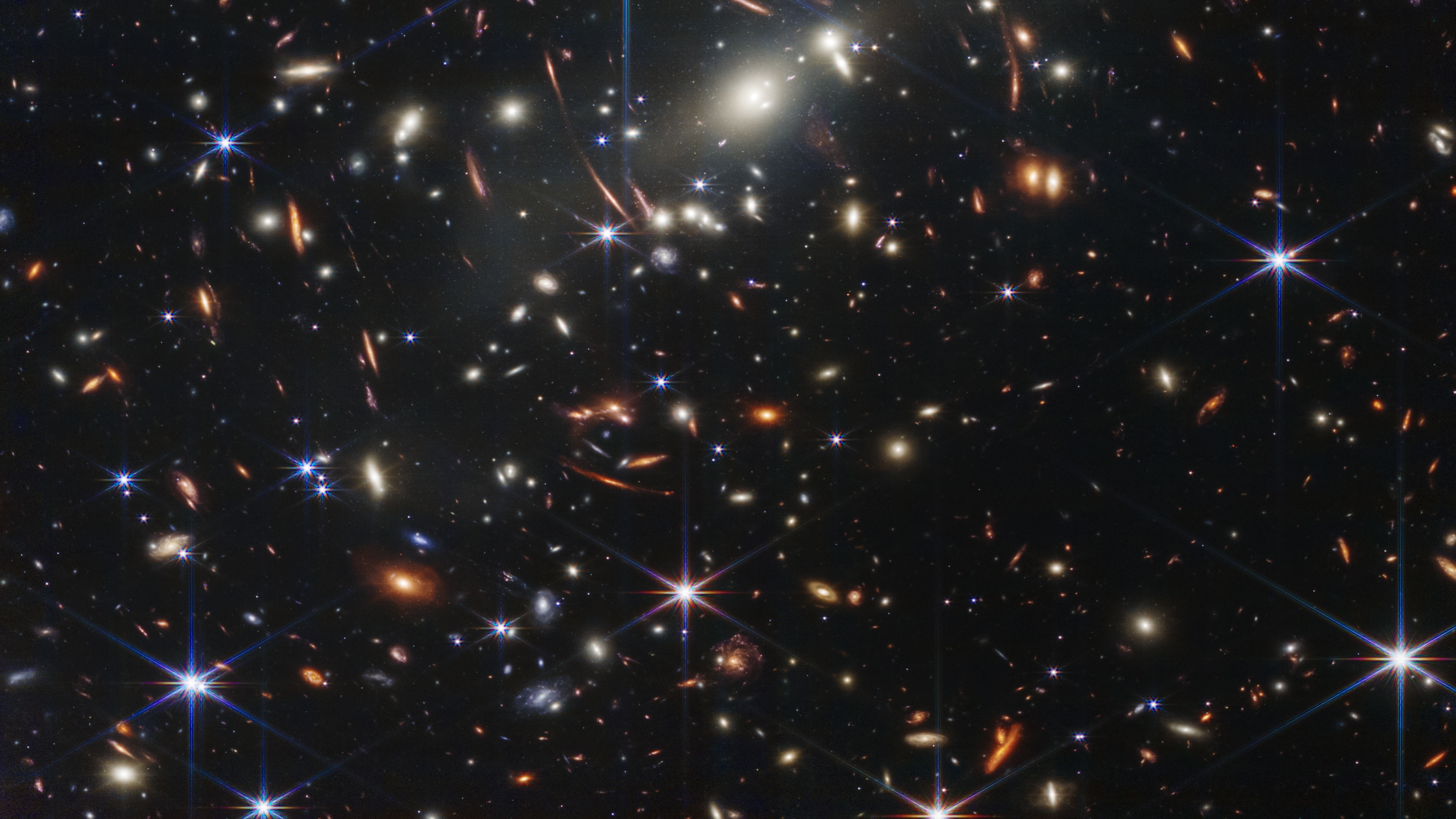
First Quasars and Galaxies
I am interested in how the first supermassive black holes and their host galaxies formed and (co)-evolved.
Pre-JWST work searching for z~7-8 quasars (Ishikawa et al. 2022).
Papers: coming!
This work is ongoing with the Cosmic Dawn Group at MIT.
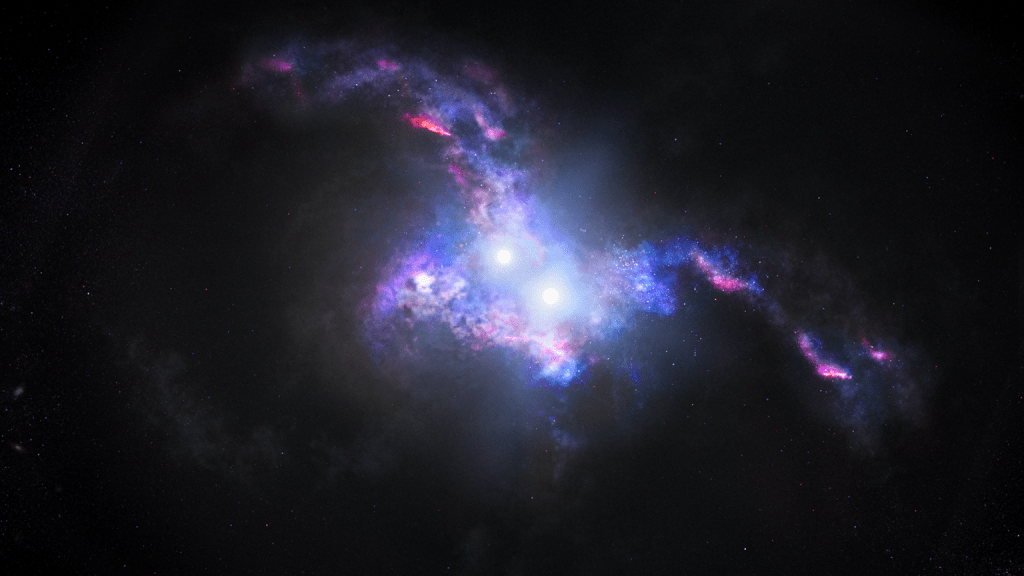
Dual Quasars
One way supermassive black holes may grow and form are through mergers of massive progenitors. For my Ph.D., I studied these dual quasars using the most powerful telescopes like JWST and ALMA. I am part of the VODKA collaboration that aims to discover and to characterize these objects.
Talks:
2023 STScI Conference, AAS Winter 243 Meeting
天文月報 article: JWSTで二重クエーサーの謎に迫る
Papers:
JWST – Ishikawa et al. 2025a, Chen et al. 2024,
ALMA – Ishikawa et al. 2025b
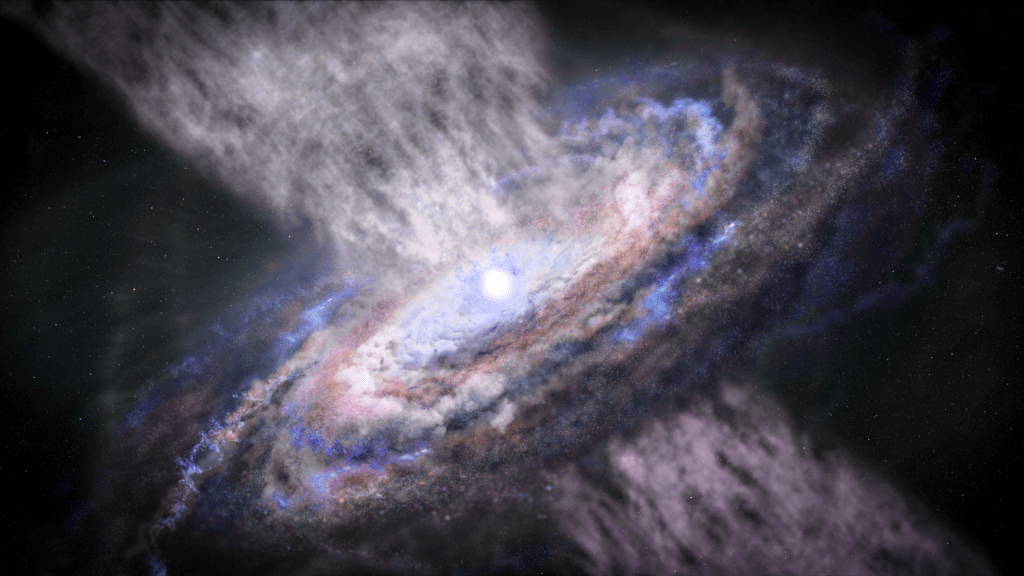
Quasar Feedback
Powerful radiation from actively accreting SMBHs (quasars) are believed to impact their host galaxies and the large-scale environment in a phenomenon called “quasar/AGN feedback.” Multi-phase, gas outflows blow through the galaxy, effectively regulating galaxy and black hole growth. Feedback is speculated to be one mechanisms behind the galaxy-SMBH co-evolution.
I have been involved in various projects and collaborations to study quasar feedback.
Q3D Collaboration Papers:
X-ray analysis of J1652+1728 (Ishikawa et al. 2021),
JWST NIRSpec (Wylezalek et al. 2022, Vayner et al. 2023, Vayner et al. 2024, etc).
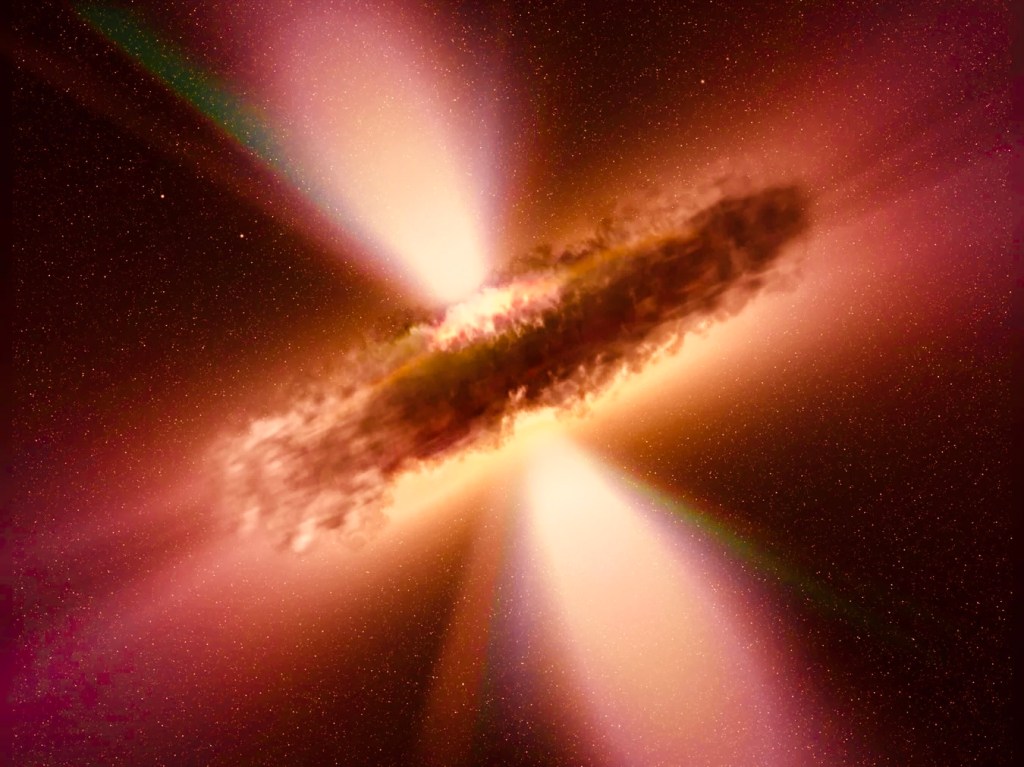
Obscured, Red Quasars
Spectroscopy of photometrically selected obscured quasars (Ishikawa et al. 2023)
Spatially Resolved Spectroscopy
Recently I have been using a special technique called integral field unit (IFU) spectroscopy. IFUs can dissect a single astronomical image into a spatially-resolved 3D spectroscopic map and inform the detailed properties of distant galaxies (e.g. gas motions, elemental abundances, star formation).
 Yuzo Ishikawa